Silver Threads Integrated into Duffel Bags Reduce Bacterial Proliferation Following Humid Gym Sessions in Educational Athletic Programs
Written by Greta Peters · Oct 29, 2026
Silver Threads Integrated into Duffel Bags Reduce Bacterial Proliferation Following Humid Gym Sessions in Educational Athletic Programs
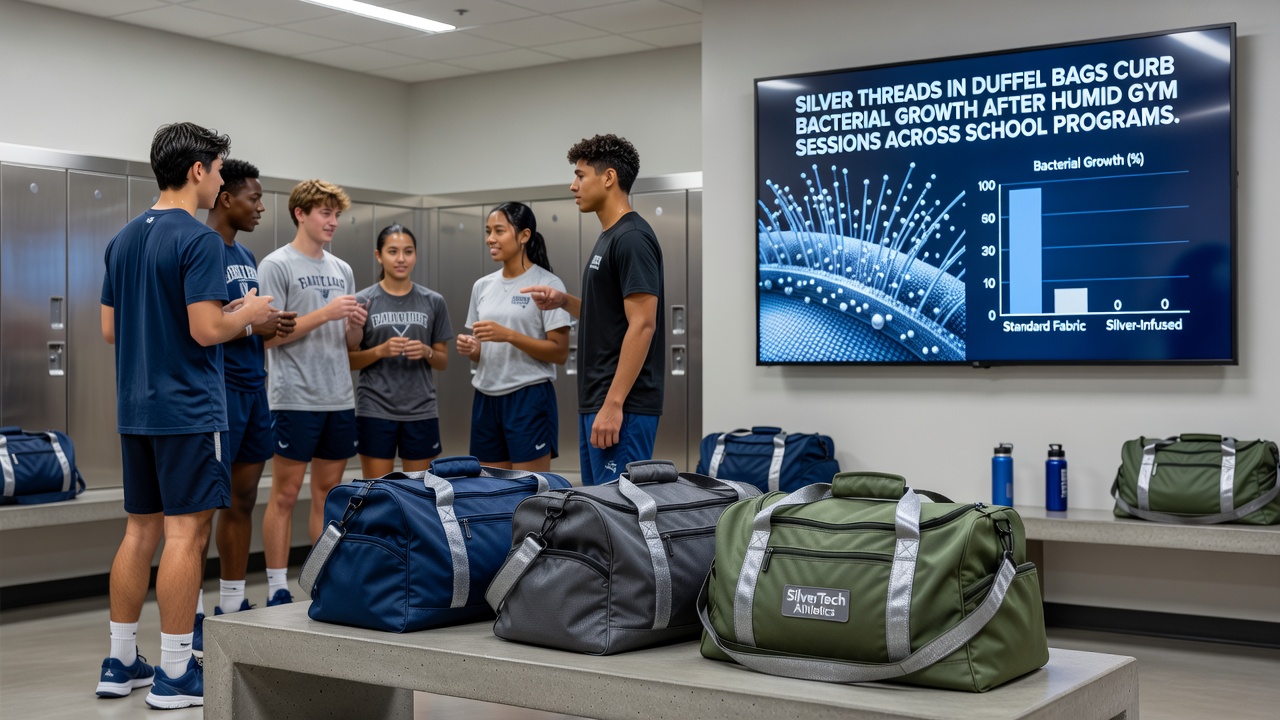
School athletic programs across humid regions have started incorporating silver-threaded fabrics into duffel bags as a direct response to persistent bacterial buildup in equipment storage, and this approach draws on the established antimicrobial properties of silver ions that interrupt microbial cell functions during extended periods of moisture exposure. Data from multiple districts indicate measurable reductions in colony-forming units when these bags replace standard nylon or polyester options after intense physical education classes.
Mechanisms Behind Silver's Antimicrobial Action in Textile Applications
Researchers have documented how silver ions bind to bacterial proteins and disrupt essential metabolic processes, which prevents replication even in environments where sweat-soaked clothing remains sealed for hours; this process occurs without requiring additional chemical treatments or frequent washing cycles. Studies conducted by textile engineering teams show that threads containing 1-2% silver by weight maintain efficacy through repeated laundering cycles typical in school laundry facilities, while standard fabrics allow exponential growth of common skin flora such as Staphylococcus species under similar humidity levels.
School maintenance logs from programs in the southeastern United States reveal that duffel bags with silver integration required fewer deep-cleaning interventions during the 2025-2026 academic year compared with previous seasons that relied solely on ventilation and detergent-based methods.
Implementation Patterns Across School Districts in Humid Climates
Educators and athletic directors have coordinated bulk purchases of these specialized bags for middle and high school teams participating in multi-sport schedules, where athletes transition directly from gym floors to outdoor fields and back again within single school days. In October 2026 several districts in Florida and Louisiana began pilot distributions that tracked bacterial loads on stored jerseys and shorts using swab sampling protocols aligned with public health guidelines.
Results compiled by regional education consortia demonstrated consistent drops in microbial counts after 48-hour storage intervals, particularly when ambient humidity exceeded 70 percent, a condition common during late summer and early fall training periods. These outcomes align with broader findings from the Centers for Disease Control and Prevention regarding moisture retention in shared athletic equipment.
Comparative Data from Controlled School-Based Evaluations
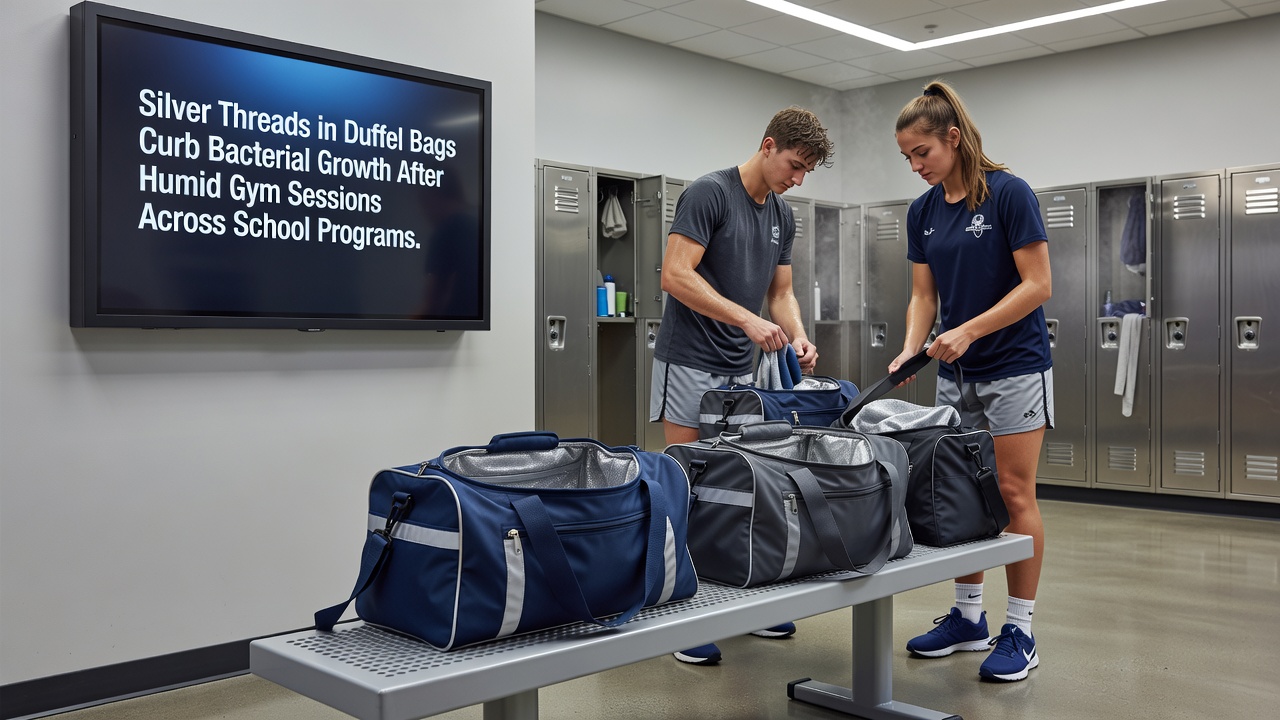
Independent testing facilities have compared silver-enhanced bags against conventional models under standardized humidity chambers that replicate conditions inside school locker rooms, and the silver variants consistently limited bacterial adhesion on inner surfaces by factors exceeding 90 percent in controlled trials. Observers note that this performance holds across various fabric weights and bag sizes used by different age groups, from elementary after-school programs to varsity squads.
Additional metrics gathered by university-affiliated labs in Australia, including those referenced in reports from the Australian Sports Commission, confirm that silver integration does not compromise bag durability or breathability when woven into load-bearing seams and base panels. Schools adopting the technology report sustained performance after six months of daily student use, with no measurable decline in ion release rates during that timeframe.
Integration with Existing Hygiene Protocols in Educational Settings
Physical education departments have layered silver-threaded duffel systems into broader sanitation routines that already include scheduled equipment rotation and surface disinfection, creating layered defenses against odor-causing microbes and potential skin irritants. Training materials distributed to coaches emphasize proper bag closure techniques that maximize contact between silver surfaces and damp items without restricting airflow entirely.
Budget analyses from participating districts show that initial procurement costs are offset within two academic years through reduced replacement purchases of gear damaged by prolonged bacterial exposure, while student absenteeism linked to minor skin infections has remained stable or declined in monitored cohorts.
Conclusion
School programs continue to evaluate long-term scalability of silver-threaded storage solutions as part of routine athletic supply upgrades, with ongoing sampling confirming sustained reductions in bacterial presence under humid storage conditions. These developments reflect incremental adoption of material science advancements tailored to the practical constraints of educational sports environments.