Pressure Mapping Insoles Reveal Optimal Foot Strike Patterns for Multi-Surface Trail Athletes
Written by Sam Lange · Oct 14, 2026
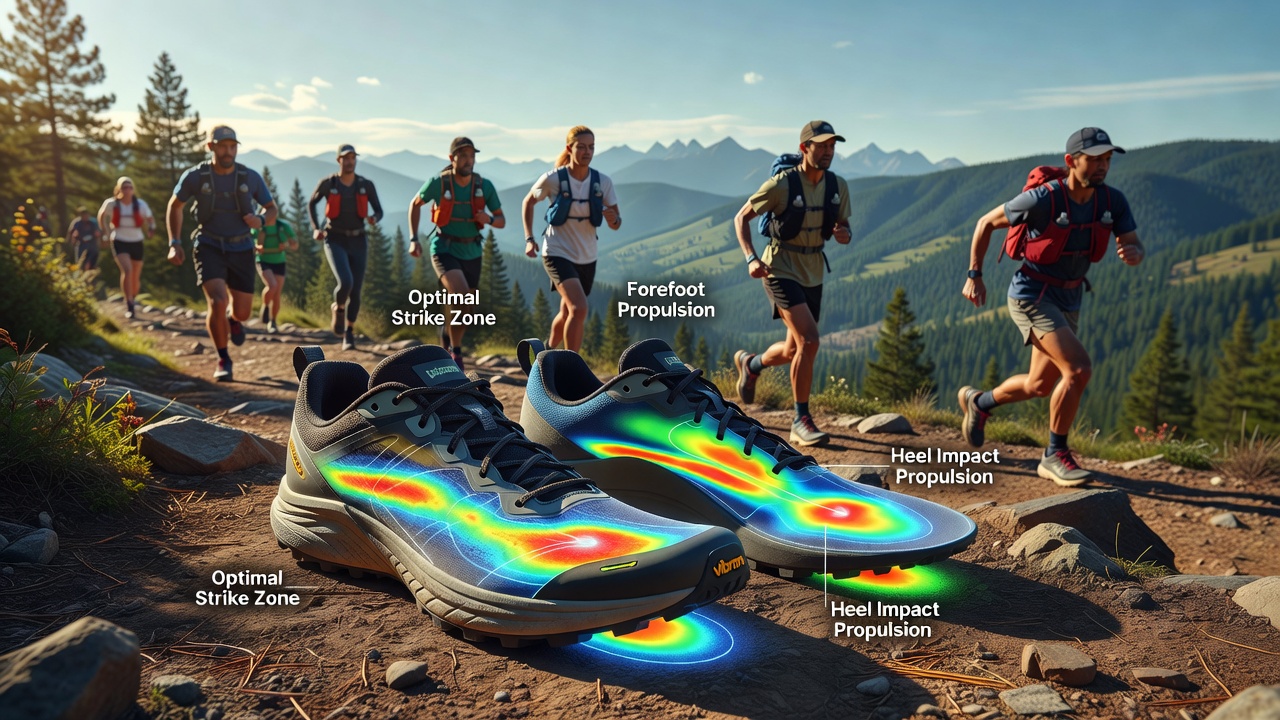
Pressure Mapping Insoles Reveal Optimal Foot Strike Patterns for Multi-Surface Trail Athletes
Pressure mapping insoles use embedded sensor arrays to record real-time force distribution across the foot during movement, and trail athletes encounter surfaces that range from loose gravel to packed dirt, wet roots, and rocky outcrops where these readings help identify strike patterns that maintain stability while managing impact loads. Researchers have tracked how different foot placements affect pressure peaks, and data collected from such devices shows that adjustments in strike location can shift forces away from high-stress zones on the heel or forefoot depending on the terrain encountered.
Understanding Sensor Technology in Trail Conditions
Thin insoles fitted with capacitive or resistive sensors capture thousands of pressure readings per second as athletes move across changing ground, and this information gets transmitted to companion apps or analysis software that generates heat maps of force concentration. Studies from biomechanics labs indicate that multi-surface trails produce distinct pressure signatures because compliant surfaces like mud absorb some impact whereas rigid rocks transmit it directly through the shoe, so athletes who maintain consistent patterns across both types often experience uneven loading that the sensors highlight clearly. Observers note that calibration for shoe type and sock thickness remains essential since these factors alter the baseline readings that algorithms then use to flag deviations during a run.
Foot Strike Variations Across Surfaces
Trail runners typically alternate between rearfoot, midfoot, and forefoot strikes based on immediate terrain demands, and pressure data reveals that rearfoot strikes on downhill rocky sections concentrate loads under the calcaneus while forefoot placements on uphill soft ground distribute pressure more evenly across the metatarsal heads. Evidence from field tests shows that midfoot strikes often reduce peak pressures on mixed surfaces because they shorten the lever arm at contact and allow quicker transition to propulsion, yet this pattern requires greater calf engagement that some athletes manage better than others. Those who have reviewed longitudinal recordings note that habitual rearfoot strikers who switch surfaces without adjustment frequently show elevated lateral pressure that correlates with higher shear forces at the ankle joint.
Data Insights from Recent Analyses
Researchers compiled pressure profiles from athletes training on routes that combine technical singletrack with fire roads, and the aggregated figures reveal that optimal strike locations shift forward by approximately 15 to 20 millimeters when moving from firm to compliant terrain. In October 2026, presentations at an international sports science meeting highlighted results from a two-year project that equipped participants with mapping insoles during weekly trail sessions, and those datasets demonstrated reduced center-of-pressure excursion when athletes adopted surface-specific adjustments rather than fixed patterns. Academic sources such as University of British Columbia biomechanics reports provide supporting measurements on how these shifts influence overall loading rates across different foot morphologies.
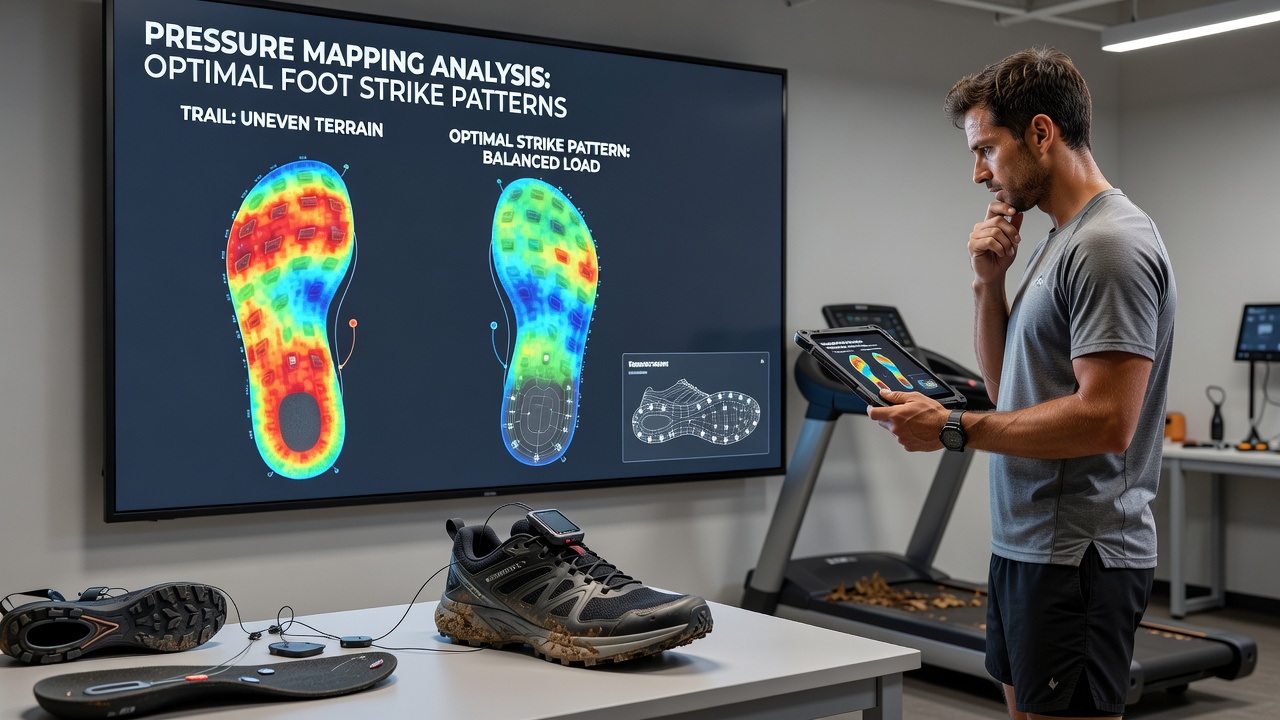
Further examination of the same recordings indicates that athletes who maintain forefoot dominance on technical descents experience lower peak vertical forces at initial contact compared with those who land heel-first, although this advantage diminishes on extended flat sections where midfoot contact produces more balanced distribution. Data indicates that training protocols incorporating real-time feedback from the insoles allow athletes to practice targeted modifications, and follow-up measurements show measurable changes in strike timing after several weeks of guided sessions.
Practical Applications for Training and Gear Selection
Coaches integrate pressure mapping outputs into session planning so that athletes can practice surface-specific drills, and the resulting profiles help match footwear cushioning levels to individual loading patterns observed on particular trails. Equipment manufacturers have begun incorporating similar sensor technology into prototype insoles that provide audio or haptic cues when pressure thresholds are exceeded, and early adoption data from trail racing teams suggests these tools support more consistent form over long distances. Those reviewing the outputs often compare pre- and post-intervention maps to quantify how small positional changes alter force vectors, which in turn informs decisions about orthotic modifications or strength exercises targeting specific muscle groups.
Additional studies conducted across varied climates demonstrate that temperature fluctuations affect sensor accuracy, so athletes operating in regions with wide daily swings must account for recalibration steps before relying on the maps for precise adjustments. Reports from the Australian Institute of Sport outline standardized testing procedures that control for these variables during extended field evaluations, and the protocols emphasize repeated measures across multiple surfaces to establish reliable baselines for each user.
Conclusion
Pressure mapping insoles supply objective measurements that clarify how foot strike patterns interact with multi-surface trail demands, and the accumulated evidence supports their role in guiding targeted adjustments that align loading with terrain characteristics. Continued refinement of sensor resolution and software analytics will likely expand the detail available to athletes and support staff working with these systems.