League Archives Reveal Equipment Replacement Cycles Among Professional Basketball Teams
Written by Wendy Neumann · Sep 30, 2026
League Archives Reveal Equipment Replacement Cycles Among Professional Basketball Teams
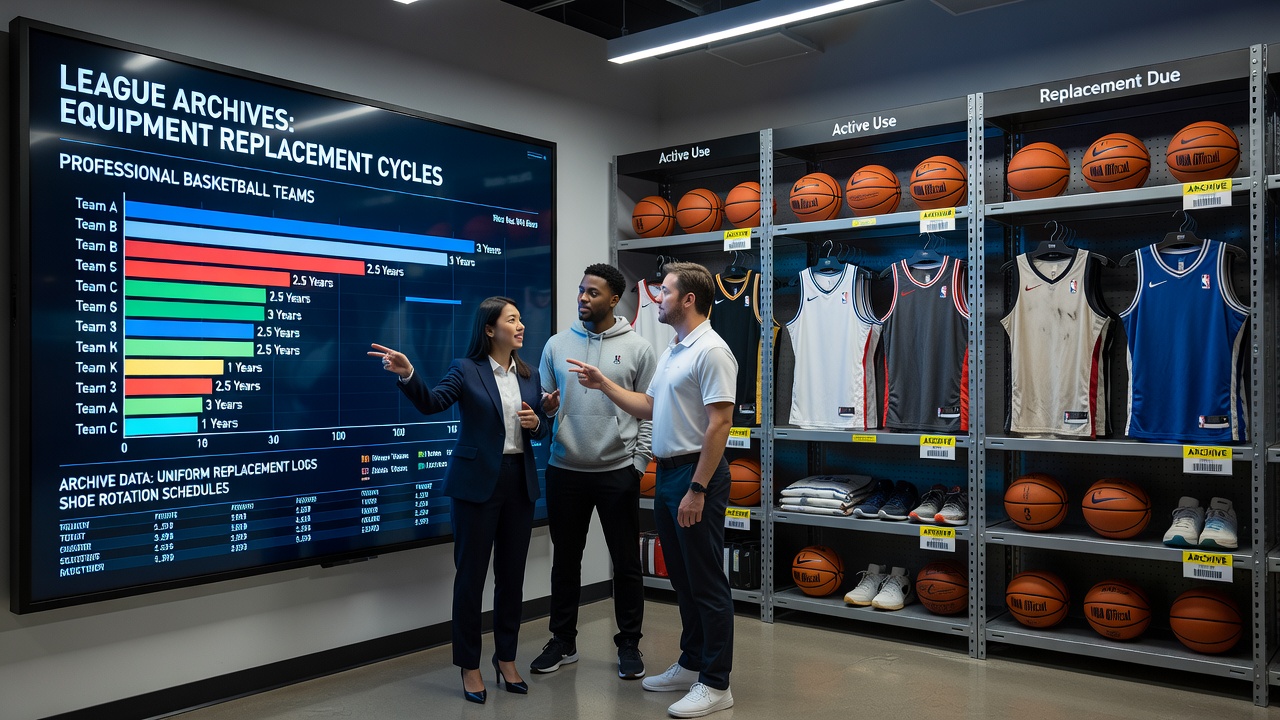
League archives from major professional basketball organizations document detailed replacement cycles for equipment across multiple decades, with data spanning from the early 2000s through updates released in September 2026 that highlight shifts in usage patterns. These records track items such as basketballs, uniforms, footwear, and protective gear, revealing average lifespans determined by game minutes, practice intensity, and material degradation rates. Analysts reviewing the archives note that basketballs typically undergo replacement after 150 to 200 hours of combined game and practice use, while team jerseys follow cycles tied to 80 to 120 washes and wear sessions before performance standards decline.
Data Patterns Across Decades
Records maintained by league offices show consistent intervals for core equipment turnover, with basketballs in the NBA averaging replacement every four to six weeks during regular seasons based on aggregate team logs. Footwear cycles emerge as more variable, with studies from the University of British Columbia indicating that high-performance sneakers last between 45 and 70 games before cushioning compression reaches critical thresholds tracked through internal monitoring systems. Uniforms, including shorts and compression layers, demonstrate replacement every 30 to 45 days when accounting for sweat-induced fabric breakdown and logo adhesion failures documented in maintenance reports.
September 2026 archive releases incorporated expanded metrics from international leagues, allowing comparisons that place European professional teams at slightly longer intervals for footwear due to differences in court surfaces and training volumes. Researchers cross-referenced these figures against injury logs and found correlations between delayed replacements and increased strain reports, though causation remains under further review in ongoing analyses.
Factors Influencing Replacement Frequency
Multiple variables shape these cycles according to archived maintenance data, including environmental conditions, player positions, and evolving material technologies. Guards and forwards tend to accelerate shoe replacements by 15 to 20 percent compared to centers because of lateral movement demands recorded in positional tracking systems. Temperature and humidity levels in arenas also factor into basketball degradation rates, with teams in warmer climates logging 10 percent shorter intervals for ball replacements during summer exhibition periods.
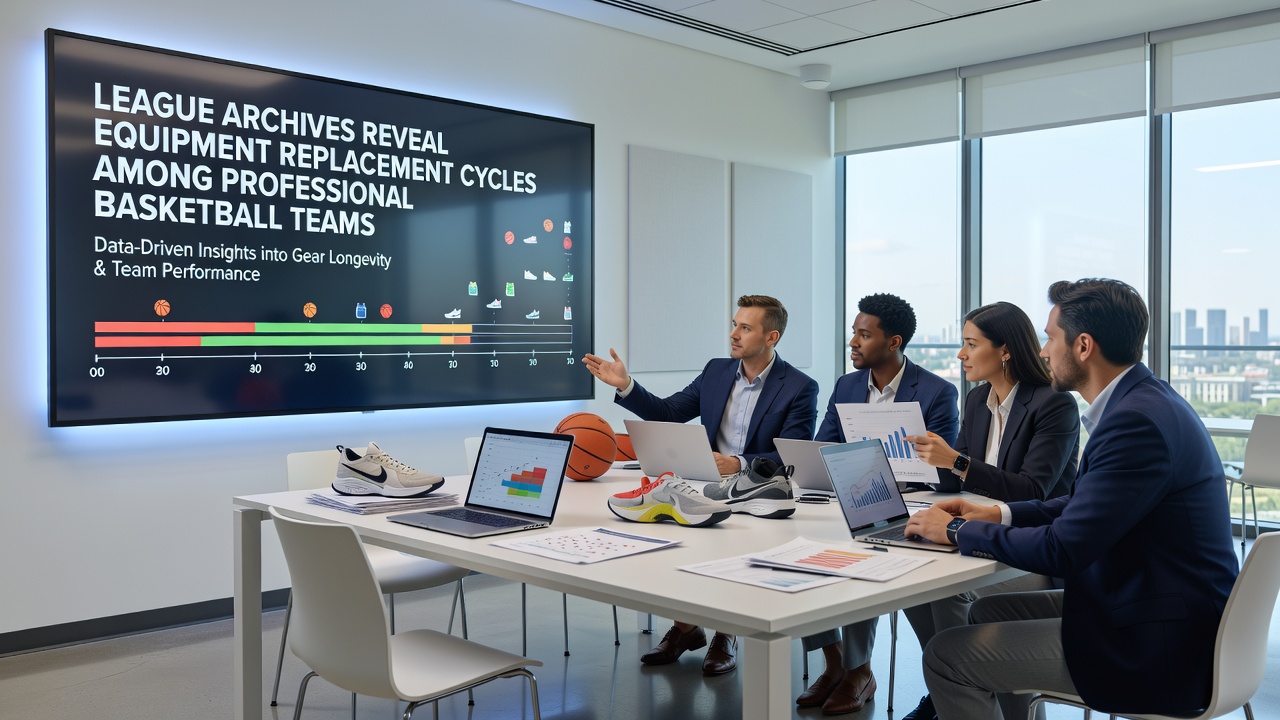
Budget allocations appear in the archives as another key driver, with mid-tier teams extending cycles by rotating equipment between starters and bench players to optimize costs. Data from the National Basketball Association shows that collective bargaining agreements have indirectly influenced these practices by setting minimum quality standards that prompt earlier interventions when items fall below thresholds. What's interesting here is how supply chain disruptions, such as those noted in 2020 through 2022 records, temporarily extended some cycles by up to three weeks as teams conserved stock.
Comparative Analysis with Other Leagues
Archives extend beyond North American operations to include WNBA and G League entries, where replacement intervals compress due to smaller rosters and higher per-player utilization rates. WNBA teams report basketball turnover every three to five weeks, while footwear aligns closely with NBA averages yet incorporates more frequent insole swaps. International comparisons drawn from FIBA-affiliated leagues reveal that some Asian professional circuits maintain longer uniform cycles because of stricter laundering protocols and fewer back-to-back game schedules.
Those reviewing the full dataset observe that protective equipment like knee sleeves and ankle braces follows the shortest cycles overall, often requiring swaps after 25 to 40 uses when elasticity loss becomes measurable through standardized testing. Training aids such as resistance bands and agility ladders show replacement every six to nine months, tied more to breakage than gradual wear.
Conclusion
League archives provide a comprehensive view of equipment replacement cycles that continue to evolve with new materials and data collection methods. September 2026 updates added layers of granularity around sustainability metrics, showing gradual shifts toward longer intervals for certain items without compromising safety or performance standards. These documented patterns offer teams objective benchmarks for inventory management drawn directly from historical usage across professional basketball environments.