Global Trade Dynamics Shape Uniform Sourcing for Amateur Leagues
Written by Otto Perry · Sep 16, 2026

Global Trade Dynamics Shape Uniform Sourcing for Amateur Leagues
Global trade patterns determine the availability and pricing of fabrics such as polyester and cotton blends that custom uniform producers use for emerging amateur leagues, and these patterns shift with tariffs, shipping costs, and regional agreements. Emerging leagues in parts of Southeast Asia, Latin America, and Africa often source through intermediaries because direct contracts with large mills remain limited by order volume. Data from the World Trade Organization indicates that textile exports from Asia represented over 60 percent of global shipments in 2025, which affects smaller buyers who compete for the same material pools.
Textile Supply Routes and Cost Structures
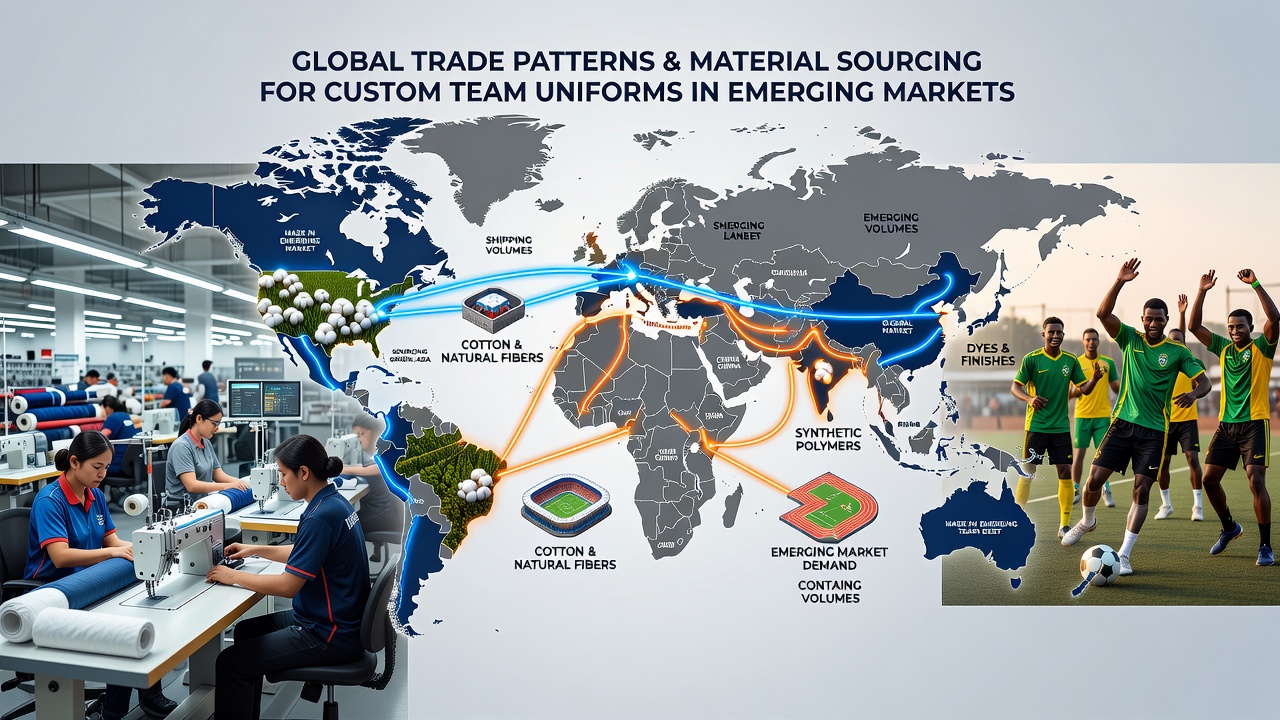
Manufacturers in Vietnam and India handle large portions of the polyester output that reaches amateur sports markets, while cotton supplies frequently originate from producers in the United States and Brazil. Trade agreements such as the Regional Comprehensive Economic Partnership have reduced some duties within Asia, yet routes that cross the Pacific still encounter variable freight rates tied to fuel prices and port congestion. Observers note that leagues ordering fewer than 500 units typically pay 15 to 25 percent more per garment than larger professional clubs because suppliers add surcharges for short runs and custom printing. Those costs compound when currency fluctuations alter the value of contracts denominated in US dollars or euros.
Effects on Emerging Amateur Leagues
Leagues in countries such as Kenya and Colombia have adjusted their ordering cycles to align with quarterly shipping windows that offer lower container rates, and some now consolidate orders across multiple clubs to reach minimum volumes. Research from the World Trade Organization shows that non-tariff measures, including rules of origin documentation, add administrative time that small organizations absorb through delayed deliveries. In September 2026, scheduled reviews of certain bilateral textile quotas between the European Union and several Asian suppliers are expected to influence spot prices for moisture-wicking knits commonly used in outdoor sports uniforms. Leagues that previously relied on European-sourced trims have begun testing alternatives from Turkish mills to maintain color consistency without crossing new duty thresholds.
Regional Shifts in Procurement Strategies
Producers in Mexico have expanded capacity for nearshore supply to Central American leagues, cutting transit times from weeks to days and reducing exposure to ocean freight volatility. A study conducted by the University of Cape Town documented how South African amateur clubs increased domestic fabric purchases by 18 percent between 2023 and 2025 after import duties on finished apparel rose. Similar patterns appear in Indonesia, where local printing cooperatives now handle sublimation work that previously moved through Chinese facilities. These adjustments allow leagues to receive uniforms closer to the start of their seasons, although fabric quality grades sometimes vary when mills substitute alternative yarn suppliers.
Material Specifications and Compliance Requirements
Custom uniforms for amateur leagues must meet basic performance standards for breathability and durability, yet global trade rules also govern chemical content and labeling. The European Union’s REACH regulations set limits on certain dyes that many Asian mills already test against, which simplifies compliance for exporters who serve multiple markets. In contrast, leagues in regions without harmonized standards sometimes receive shipments that require additional testing at destination ports, adding weeks to the timeline. Trade data compiled by Statistics Canada reveals that Canadian textile exports to Latin America grew 12 percent in the first half of 2025, largely in specialty performance fabrics that meet both durability and regulatory thresholds.
Conclusion
Global trade patterns continue to set the parameters for material availability and final costs in the custom uniform sector that serves emerging amateur leagues, and organizations in multiple regions have responded by diversifying suppliers and timing orders around freight cycles. Ongoing reviews of trade agreements and quota systems, including those slated for September 2026, will likely prompt further adjustments in sourcing routes and fabric choices. The result is a procurement environment where smaller buyers balance performance requirements against the realities of international shipping and tariff structures that evolve with each new bilateral arrangement.